





For SLPs
Informal screener
A structured set of things to listen for at each age, drawn from this site's own word lists, worksheets and awareness tasks. Use it to decide whether a full evaluation is warranted.
- Age bands
- 6
- Standardized
- No
- Normed
- No
- Cost
- Free
Informal screening tool only. Not standardized, not normed, not diagnostic.
What this is and is not
How to use it
- Work through the band for the child's age. If they struggle early, drop to the band below; if they breeze through, move up.
- Model each target once. This is a screening probe, not teaching - resist the urge to cue, because what you want to know is what the child does unaided.
- For articulation, listen to the whole word, not just the target sound. Note the position of the error and whether it is consistent.
- Score nothing. Note what you heard. The referral guidance at the end of each band is a prompt to think, not a cut-off to apply.
- Ten minutes is plenty. If you find yourself needing longer, you have already learned what you needed to know: this child warrants a full evaluation.
2 years14 words · Playing at homeOpen this band
What to expect: Around 50 or more words and the beginnings of two-word combinations. About half of what they say is understood by someone outside the family.
1 · Articulation
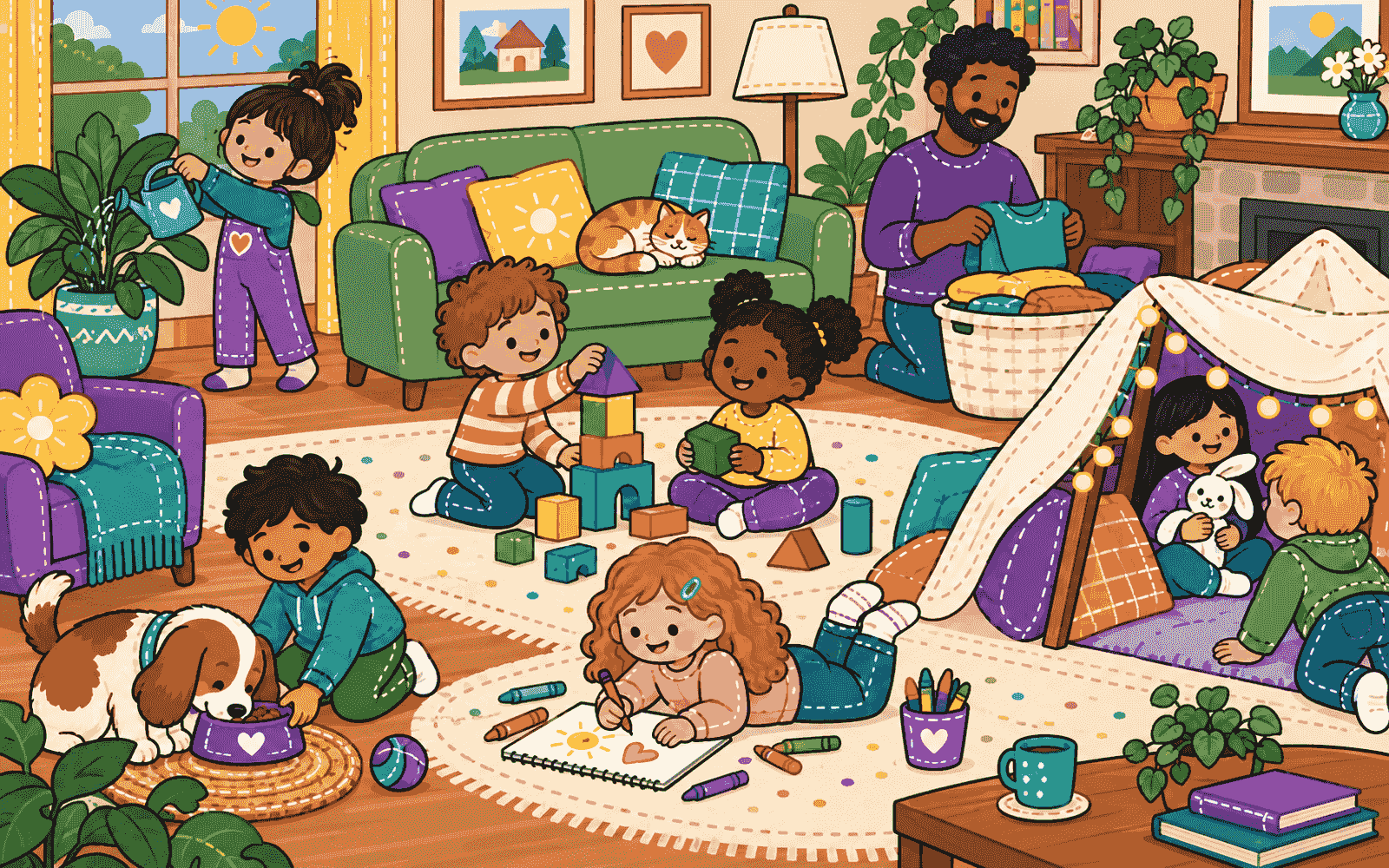
Show the picture and let the child name it. Only say the word yourself if they cannot retrieve it, and note that you did.
 pig
 pan
 ball
 bat
 man
 moon
 dog
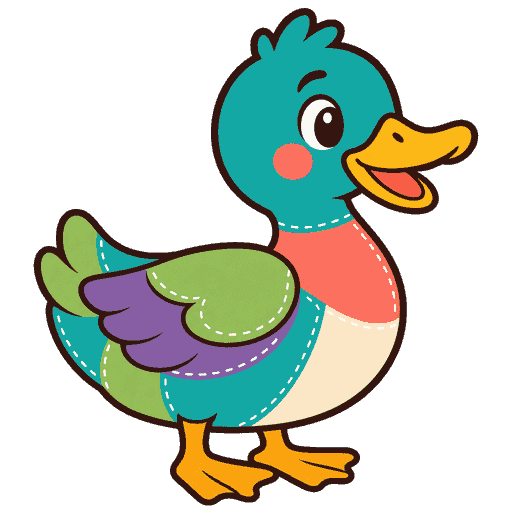 duck
 nose
 night
 hat
 house
 watch
 wet
2 · Receptive language
What the child understands. Ask each one once and watch what they point to or say. A short answer is a pass here — you are testing comprehension, not output.
Show me the dog.
On target: points to the dog
Where is the cat?
On target: points to the cat on the sofa
Point to the ball.
On target: points to the ball on the rug
Following directions
Put two ordinary things on the floor between you - a cup and a ball work well. Say each direction once, then wait. One step is what to expect at this age.
1.Give me the ball.
On target: hands over the ball
2.Put the cup on the chair.
On target: cup on the chair
3.Where is the cup?
On target: looks at or points to the cup
3 · Expressive language
What the child produces, from the same picture. Take whatever they say and write it down as they said it — the length and the shape of the sentence are the data.
Point to the dog and ask: what is this?
On target: "dog" - a single word is on target here
What is the girl doing?
On target: "drawing", or "draw"
Tell me about the dog.
On target: any two words together, like "doggy eat"
Follow up on: Present Progressive Verbs · Regular Plurals — anything that looked shaky above has a full page of practice behind it.
4 · Fluency
Ask the child to tell you everything that is happening in the picture, and keep them going with "what else?" rather than questions they can answer in one word. You want one to two minutes of connected speech.
Listen for
- Repeated whole words or parts of words - "I-I-I want", "ba-ba-ball".
- Sounds held longer than usual - "sssssometimes".
- Silent blocks, where the mouth is set for a sound and nothing comes out.
- Physical effort: tension round the eyes or jaw, losing eye contact, a hand or foot moving with the struggle.
- Avoidance: swapping to an easier word, giving up on a sentence, or saying "I forget".
- How the child seems to feel about talking - frustration matters as much as the count.
Most preschoolers are disfluent some of the time, and repeating a whole word once or twice is typical. What is worth a referral is part-word repetition, blocking, visible effort, or a child who has started avoiding talking - and any of it lasting longer than six months, or a family history of stuttering.
5 · Phonological awareness · Pre-awareness
Formal phonological awareness is not expected at 2. Instead, note whether the child enjoys and attends to rhyming books, songs and finger plays, and whether they join in on repeated lines.
Also listen for
- Does the child combine two words at all ("more juice", "daddy go")?
- Do they use words to request, or mostly gesture and lead by the hand?
- Do they respond to their name and follow a simple one-step direction?
- Is there a range of consonants, or does nearly everything start with the same one or two sounds?
Consider referring if
Fewer than 50 words, no two-word combinations, very few different consonants, or a parent reporting that almost nobody outside the household understands the child. Any loss of words previously used warrants immediate referral.
A prompt for clinical judgment, not a cut-off score. There are no norms behind it.
3 years18 words · At the parkOpen this band
What to expect: Three-word sentences, several hundred words, and roughly three-quarters of speech understood by an unfamiliar listener.
1 · Articulation
Show the picture and let the child name it. Only say the word yourself if they cannot retrieve it, and note that you did.
 top
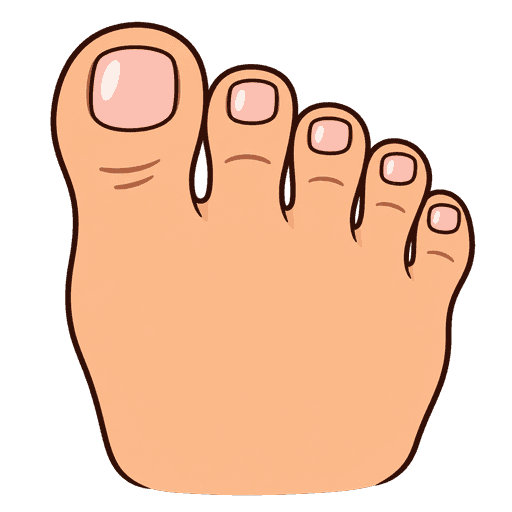 toe
 cat
 cup
 girl
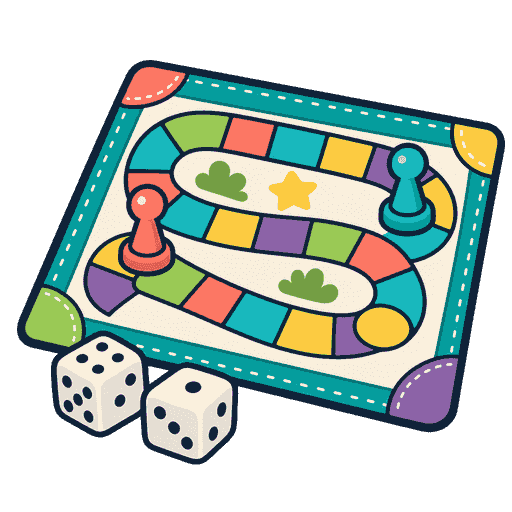 game
 singer
 finger
 fish
 fan
 yarn
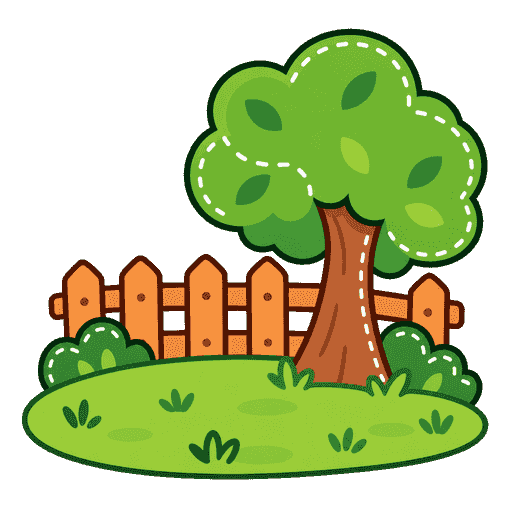 yard
- pig
- pan
- ball
- bat
- man
- moon
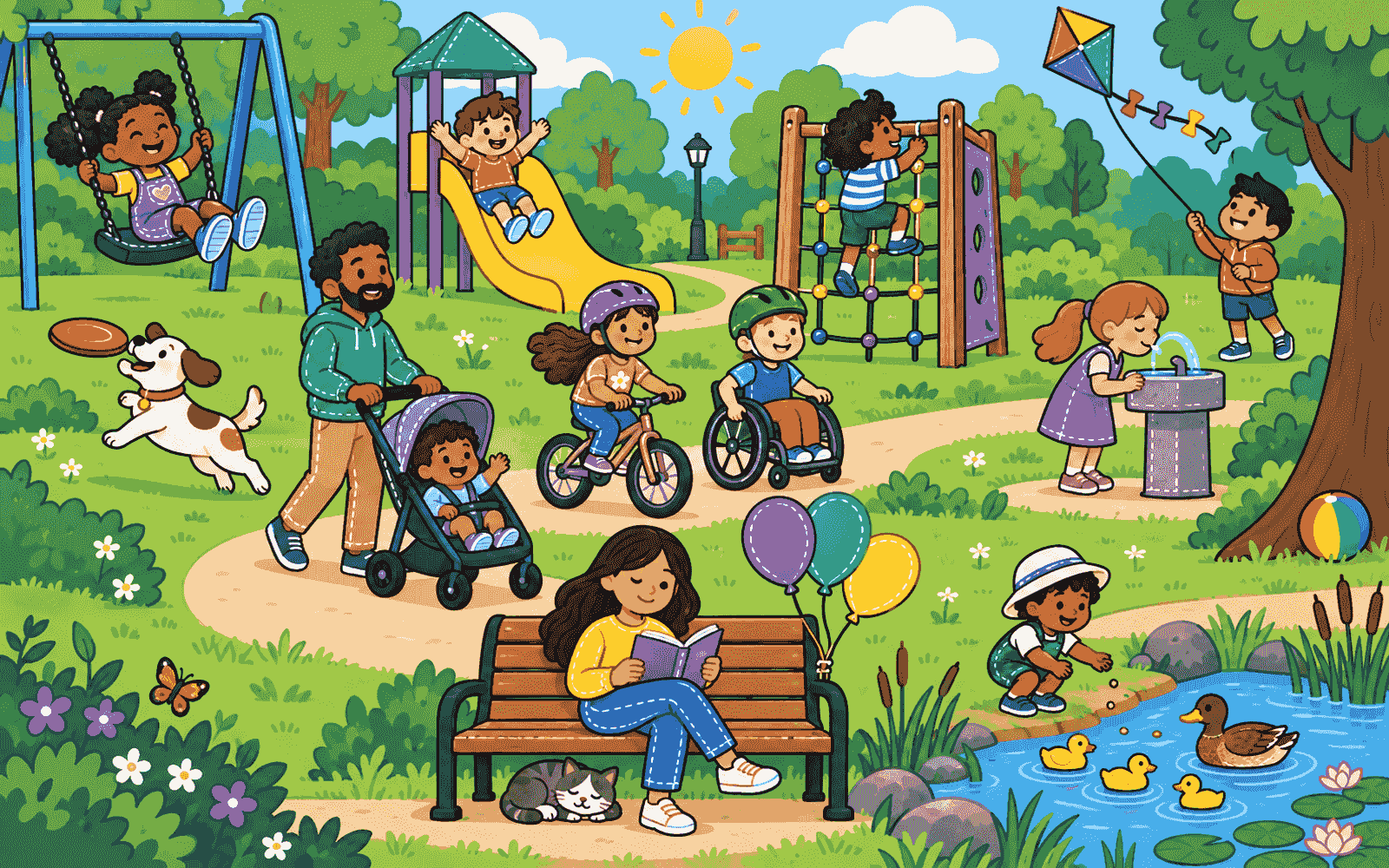
2 · Receptive language
What the child understands. Ask each one once and watch what they point to or say. A short answer is a pass here — you are testing comprehension, not output.
Who is flying the kite?
On target: points to the boy with the kite
Where is the cat?
On target: under the bench
What is the dog doing?
On target: running, or chasing the frisbee
Following directions
Two ordinary things on the table - a cup and a ball. Read each direction once, all the way through, before the child moves. Two related steps is what to expect at this age.
1.Pick up the ball and put it in the cup.
On target: both, in order
2.Give me the cup and then sit down.
On target: both, in order
3.Put the ball under the chair.
On target: ball under the chair
3 · Expressive language
What the child produces, from the same picture. Take whatever they say and write it down as they said it — the length and the shape of the sentence are the data.
Tell me what the girl on the swing is doing.
On target: "she is swinging" - listen for the -ing
How many ducks can you see?
On target: counts, or says "lots of ducks" - listen for the plural
Tell me about the children on the bikes.
On target: three or four words together
Follow up on: Prepositions · WH-Questions · Past Tense Verbs · Subject Pronouns — anything that looked shaky above has a full page of practice behind it.
4 · Fluency
Ask the child to tell you everything that is happening in the picture, and keep them going with "what else?" rather than questions they can answer in one word. You want one to two minutes of connected speech.
Listen for
- Repeated whole words or parts of words - "I-I-I want", "ba-ba-ball".
- Sounds held longer than usual - "sssssometimes".
- Silent blocks, where the mouth is set for a sound and nothing comes out.
- Physical effort: tension round the eyes or jaw, losing eye contact, a hand or foot moving with the struggle.
- Avoidance: swapping to an easier word, giving up on a sentence, or saying "I forget".
- How the child seems to feel about talking - frustration matters as much as the count.
Most preschoolers are disfluent some of the time, and repeating a whole word once or twice is typical. What is worth a referral is part-word repetition, blocking, visible effort, or a child who has started avoiding talking - and any of it lasting longer than six months, or a family history of stuttering.
5 · Phonological awareness · Rhyme recognition
Say two words and ask whether they rhyme. Recognition comes well before production at this age, so accept a yes/no rather than expecting the child to generate a rhyme.
-op: top, drop, pop, chop · toe: toe, though, blow, grow · -en: ten, when, then, men · -oy: toy, boy, joy
Also listen for
- Are sentences three words or longer, at least some of the time?
- Can they answer simple what and where questions about the here and now?
- Does /k/ or /g/ come out as /t/ or /d/ (fronting)? This is still common but should be resolving.
- Are word endings present, or falling off ("cu" for "cup")?
Consider referring if
Speech an unfamiliar listener finds mostly unintelligible, no sentences beyond two words, no answers to simple WH-questions, or final consonants missing across the board.
A prompt for clinical judgment, not a cut-off score. There are no norms behind it.
4 years21 words · In the kitchenOpen this band
What to expect: Four- and five-word sentences, and speech an unfamiliar listener understands nearly all of the time even if some sounds are still wrong.
1 · Articulation
Show the picture and let the child name it. Only say the word yourself if they cannot retrieve it, and note that you did.
 van
 vase
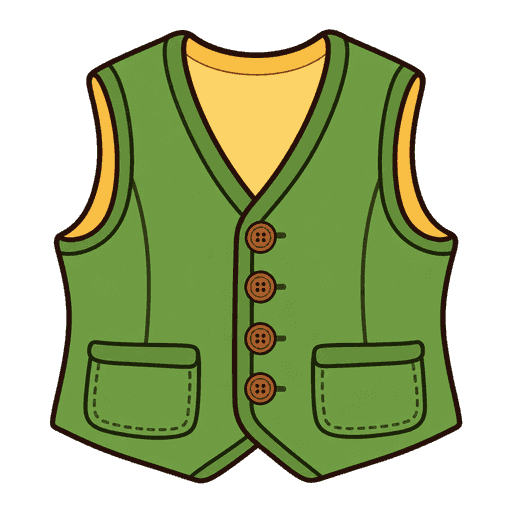 vest
 sun
 sock
 soap
 zoo
 zip
 zebra
 shoe
 ship
 shark
 chair
 cheese
 chin
 jump
 jar
 juice
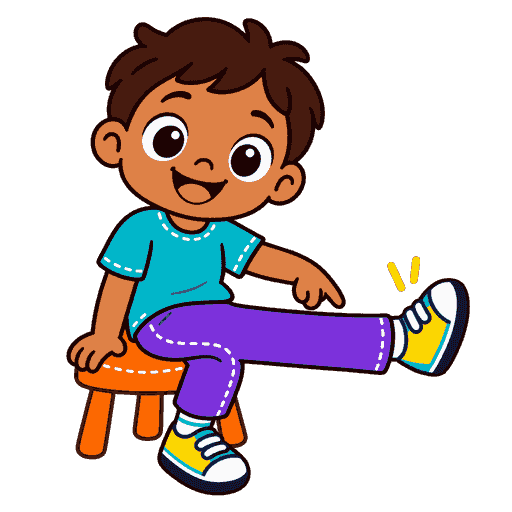 leg
 light
 lamp
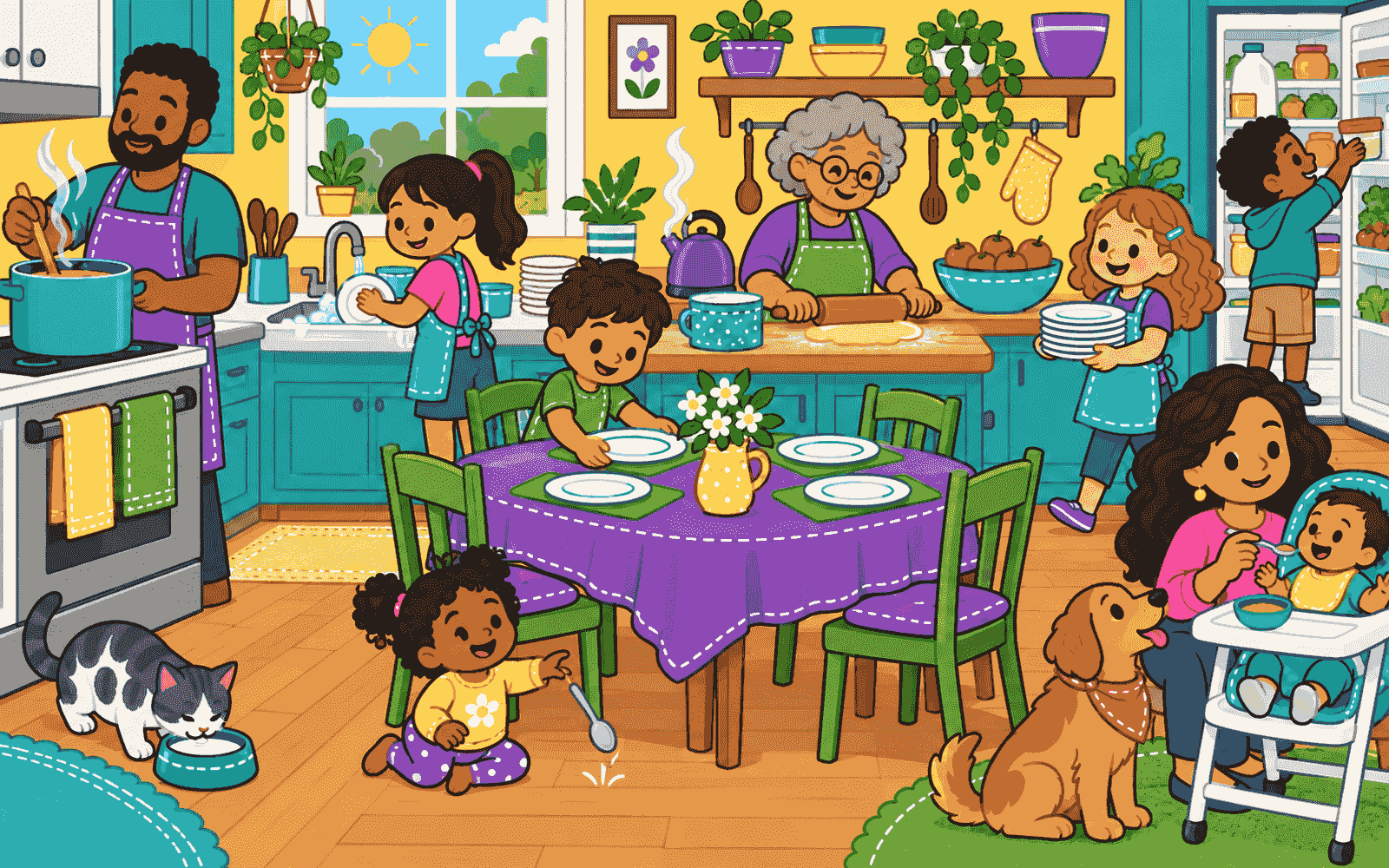
2 · Receptive language
What the child understands. Ask each one once and watch what they point to or say. A short answer is a pass here — you are testing comprehension, not output.
Who is cooking at the stove?
On target: points to the dad
Why is the girl carrying the plates?
On target: to set the table, or to help
Show me the youngest person in the picture.
On target: the baby in the high chair
Following directions
Three ordinary things on the table, two of them the same kind in different sizes - a big cup and a little cup, plus a ball. Two steps with a size, color, number or order word buried in them.
1.Put the little one in the big one, not the other way round.
On target: little inside big
2.Before you give me the cup, touch the ball.
On target: ball first, then hands over the cup
3.Give me two things from the table.
On target: exactly two
3 · Expressive language
What the child produces, from the same picture. Take whatever they say and write it down as they said it — the length and the shape of the sentence are the data.
Tell me everything the grandma is doing.
On target: a full sentence, four or five words
What do you think they are going to eat?
On target: a prediction in a sentence
The girl washed the dishes. Now tell me what the boy did.
On target: past tense, like "he set the table"
Follow up on: Spatial Concepts · Irregular Plurals · Third Person Singular -s · Is, Am, Are: Copula and Auxiliary — anything that looked shaky above has a full page of practice behind it.
4 · Fluency
Ask the child to tell you everything that is happening in the picture, and keep them going with "what else?" rather than questions they can answer in one word. You want one to two minutes of connected speech.
Listen for
- Repeated whole words or parts of words - "I-I-I want", "ba-ba-ball".
- Sounds held longer than usual - "sssssometimes".
- Silent blocks, where the mouth is set for a sound and nothing comes out.
- Physical effort: tension round the eyes or jaw, losing eye contact, a hand or foot moving with the struggle.
- Avoidance: swapping to an easier word, giving up on a sentence, or saying "I forget".
- How the child seems to feel about talking - frustration matters as much as the count.
Most preschoolers are disfluent some of the time, and repeating a whole word once or twice is typical. What is worth a referral is part-word repetition, blocking, visible effort, or a child who has started avoiding talking - and any of it lasting longer than six months, or a family history of stuttering.
5 · Phonological awareness · Syllable counting and rhyme production
Clap the syllables in a word together, then ask the child to do one alone. Then ask for a word that rhymes with a given word - production, not just recognition, is reasonable to probe by 4.
van (1) · vacuum (2) · violin (3) · dinosaur bone (4)
Also listen for
- Is the child intelligible to you as an unfamiliar listener, across the whole session?
- Are /s/ and /z/ present, even if distorted? Are they coming out sideways (lateral) or through the teeth?
- Do they tell a short connected story, or just label what they see?
- Are grammatical endings - plural -s, past -ed, third person -s - present in connected speech?
Consider referring if
Velar fronting, stopping of f, v, s or z, final consonant deletion or prevocalic voicing still present, sound errors a listener notices immediately, sentences still limited to three words, or a child who avoids talking to unfamiliar people.
A prompt for clinical judgment, not a cut-off score. There are no norms behind it.
5 years12 words · In the classroomOpen this band
What to expect: Full sentences, connected stories, and speech that is essentially always intelligible. Most sounds correct, with /r/ and /th/ the usual stragglers.
1 · Articulation
Show the picture and let the child name it. Only say the word yourself if they cannot retrieve it, and note that you did.
 red
 run
 rain
 mother
 father
 brother
 measure
 treasure
 treasure chest
 earth
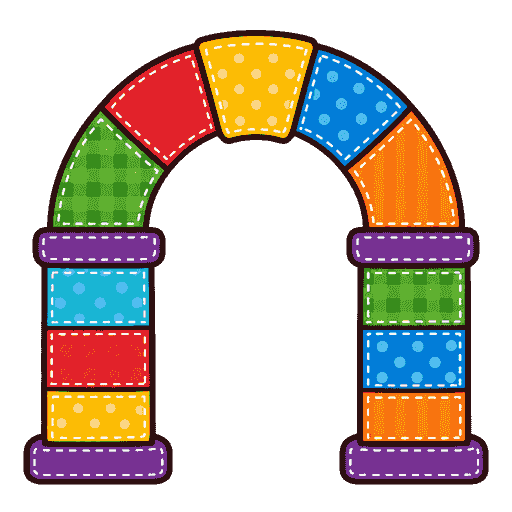 arch
 arm
2 · Receptive language
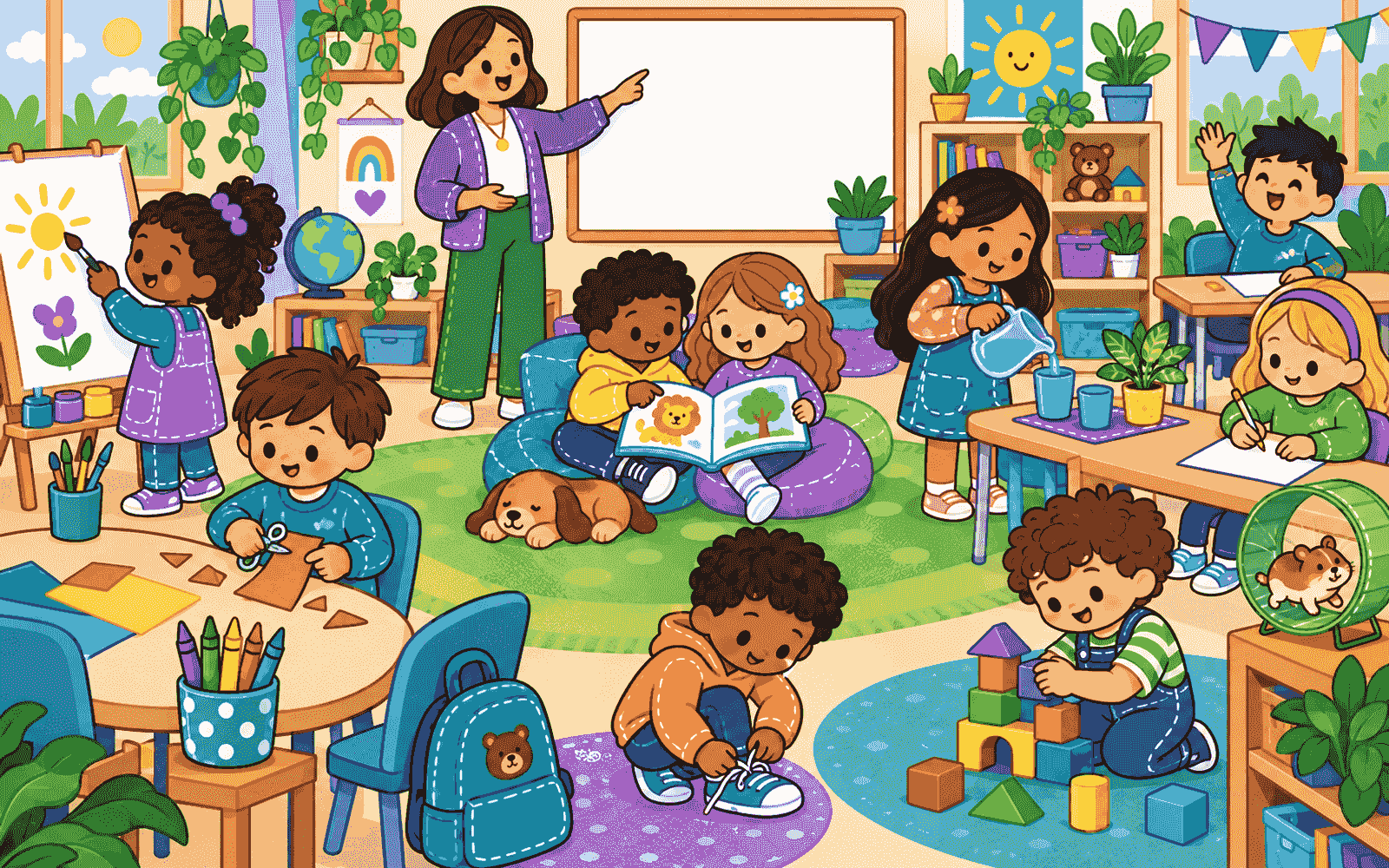
What the child understands. Ask each one once and watch what they point to or say. A short answer is a pass here — you are testing comprehension, not output.
Which child is NOT sitting down?
On target: any of the standing children - listen for whether the "not" was heard
Point to the child tying his shoe, and then point to the hamster.
On target: both, in order
Who is sitting behind the two children reading?
On target: the boy with his hand up
Following directions
Three ordinary things on the table in two sizes. Three steps now, and read them once - do not repeat straight away, because the pause is often all a child needs.
1.Pick up the ball, put it in the cup, and give me the cup.
On target: all three in order
2.After you touch the chair, give me the ball.
On target: chair first, then the ball
3.Put the biggest one on the floor and the smallest one in your lap.
On target: both, sorted by size
3 · Expressive language
What the child produces, from the same picture. Take whatever they say and write it down as they said it — the length and the shape of the sentence are the data.
Tell me why the girl is holding the watering can.
On target: listen for "because"
Tell me everything that is happening at the blue table.
On target: more than one clause
What do you think the teacher just said?
On target: an inference, said in a sentence
Follow up on: Quantitative Concepts · Following Directions · Object Pronouns · Possessive Pronouns · Future Tense Verbs — anything that looked shaky above has a full page of practice behind it.
4 · Fluency
Ask the child to tell you everything that is happening in the picture, and keep them going with "what else?" rather than questions they can answer in one word. You want one to two minutes of connected speech.
Listen for
- Repeated whole words or parts of words - "I-I-I want", "ba-ba-ball".
- Sounds held longer than usual - "sssssometimes".
- Silent blocks, where the mouth is set for a sound and nothing comes out.
- Physical effort: tension round the eyes or jaw, losing eye contact, a hand or foot moving with the struggle.
- Avoidance: swapping to an easier word, giving up on a sentence, or saying "I forget".
- How the child seems to feel about talking - frustration matters as much as the count.
Most preschoolers are disfluent some of the time, and repeating a whole word once or twice is typical. What is worth a referral is part-word repetition, blocking, visible effort, or a child who has started avoiding talking - and any of it lasting longer than six months, or a family history of stuttering.
5 · Phonological awareness · Sound blending
Say a word broken into its sounds, one at a time, and ask the child what the word is. Start with two- and three-sound words. Along with letter knowledge, this is one of the strongest predictors of early reading.
earth (er - th) · row (r - oh) · red (r - e - d) · run (r - uh - n)
Also listen for
- Is /r/ present in any position, or substituted throughout (w/r)? Vocalic /r/ often lags behind consonantal /r/.
- Can they follow a two-step direction containing a concept ("before you sit down, touch the door")?
- Do they use pronouns with correct case, or still say "her did it"?
- Can they retell a story with a beginning, middle and end?
Consider referring if
Any phonological process other than gliding or vowelization of /r/, errors on sounds other than /r/, /zh/ and /th/, difficulty following two-step directions, or a child whose sentences are still noticeably simpler than their peers'.
A prompt for clinical judgment, not a cut-off score. There are no norms behind it.
6 years18 words · On the farmOpen this band
What to expect: Every sound but voiceless /th/. /r/ is expected by now; if it is still in error, target it rather than wait. Grammar largely adult-like in everyday speech, and phonological awareness strong enough to support early reading.
1 · Articulation
Show the picture and let the child name it. Only say the word yourself if they cannot retrieve it, and note that you did.
 thumb
 thin
 thick
- red
- run
- rain
- earth
- arch
- arm
 blue
 black
 block
 stop
 star
 stick
 tree
 train
 truck
2 · Receptive language
What the child understands. Ask each one once and watch what they point to or say. A short answer is a pass here — you are testing comprehension, not output.
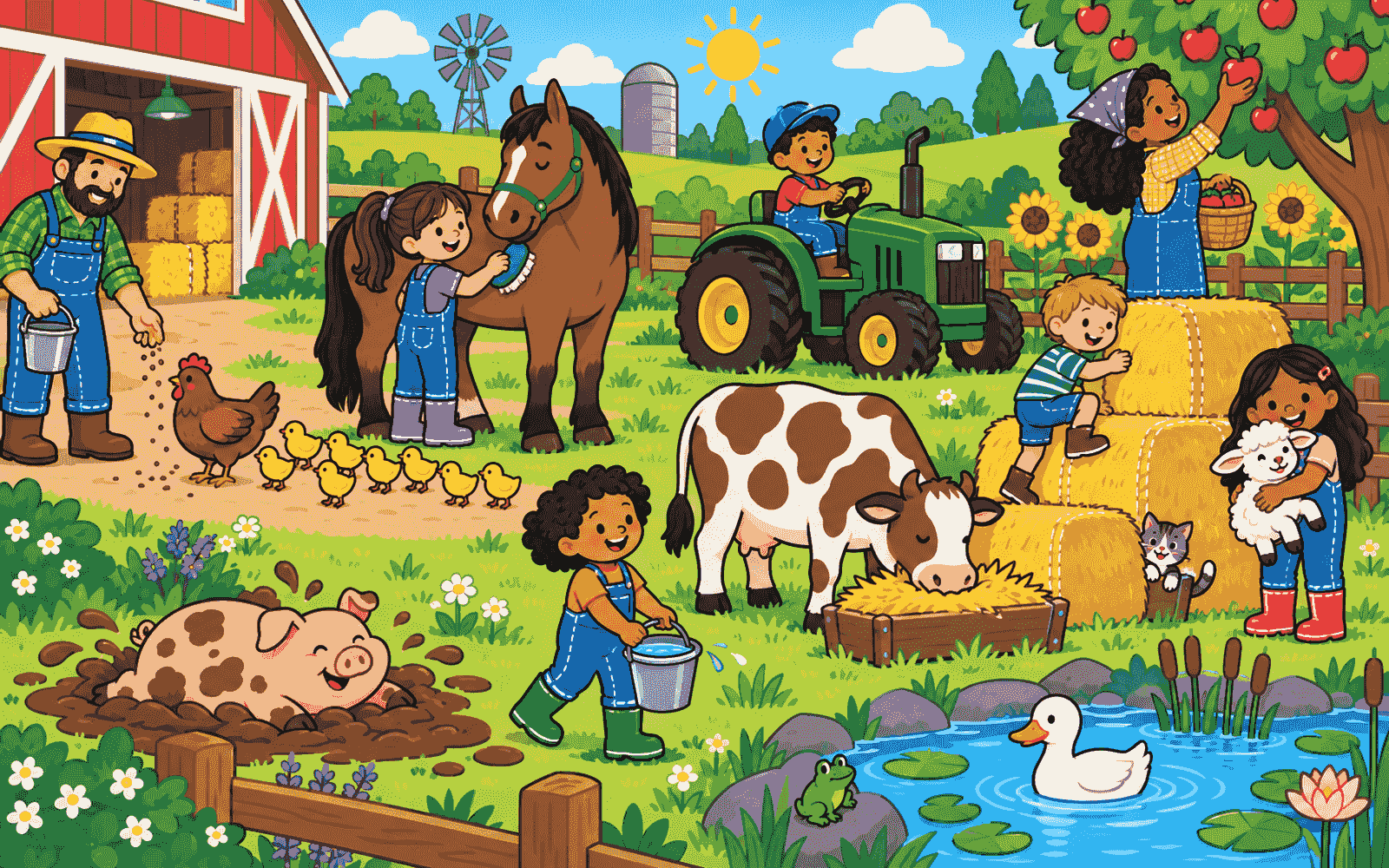
How do you know it is not winter in this picture?
On target: the apples, the sunflowers, the green leaves - any one clue is enough
Point to an animal that is being fed, and then one that is feeding itself.
On target: the chickens or the lamb, then the cow or the pig
Which animals here would you find in the water?
On target: the duck and the frog
Following directions
Three or four ordinary things on the table. Three steps with two concepts in them, read once.
1.Before you put the ball in the cup, turn the cup upside down.
On target: order reversed correctly
2.Give me everything on the table except the cup.
On target: everything but the cup
3.Put the ball behind you, clap twice, then tell me what you did.
On target: all three, and can report back
3 · Expressive language
What the child produces, from the same picture. Take whatever they say and write it down as they said it — the length and the shape of the sentence are the data.
What will the farmer do after he finishes feeding the chickens?
On target: a prediction in a full sentence
How is the lamb different from the cow?
On target: a comparison, not just two descriptions
Tell me the story of this picture, from the beginning.
On target: a narrative with a sequence
Follow up on: Temporal Concepts · Understanding WH-Questions · Reflexive Pronouns · Subject-Verb Agreement — anything that looked shaky above has a full page of practice behind it.
4 · Fluency
Ask the child to tell you everything that is happening in the picture, and keep them going with "what else?" rather than questions they can answer in one word. You want one to two minutes of connected speech.
Listen for
- Repeated whole words or parts of words - "I-I-I want", "ba-ba-ball".
- Sounds held longer than usual - "sssssometimes".
- Silent blocks, where the mouth is set for a sound and nothing comes out.
- Physical effort: tension round the eyes or jaw, losing eye contact, a hand or foot moving with the struggle.
- Avoidance: swapping to an easier word, giving up on a sentence, or saying "I forget".
- How the child seems to feel about talking - frustration matters as much as the count.
Most preschoolers are disfluent some of the time, and repeating a whole word once or twice is typical. What is worth a referral is part-word repetition, blocking, visible effort, or a child who has started avoiding talking - and any of it lasting longer than six months, or a family history of stuttering.
5 · Phonological awareness · Sound segmenting
Say a word and ask the child to break it into its separate sounds. Three-sound words first, then clusters. Segmenting is harder than blending and is the better probe at this age.
thigh (th - eye) · row (r - oh) · earth (er - th) · thumb (th - uh - m)
Also listen for
- Are consonant clusters produced fully, or reduced ("top" for "stop")?
- Can the child segment a three-sound word into its phonemes?
- Is /r/ still in error? At 6 this is worth targeting rather than waiting.
- Do they use "before" and "after" correctly when the order of mention is reversed?
Consider referring if
Any sound other than voiceless /th/ still in error, cluster reduction, inability to segment simple words into sounds, or grammatical errors that persist in connected speech.
A prompt for clinical judgment, not a cut-off score. There are no norms behind it.
7 years and older12 words · At the supermarketOpen this band
What to expect: All sounds mastered, including /r/ and both /th/ sounds. Complex sentences, inferencing, and phoneme-level awareness solid enough for spelling and decoding.
1 · Articulation
Show the picture and let the child name it. Only say the word yourself if they cannot retrieve it, and note that you did.
- red
- run
- rain
- earth
- arch
- arm
- thumb
- thin
- thick
- mother
- father
- brother

2 · Receptive language
What the child understands. Ask each one once and watch what they point to or say. A short answer is a pass here — you are testing comprehension, not output.
Who has nearly finished shopping, and how can you tell?
On target: the woman at the register - her cart or basket is full
Point to the person buying the most, then the person buying the least.
On target: a comparison across the picture
Why is the man putting his bag on the scale?
On target: to weigh it, to find out the price
Following directions
Four ordinary things on the table. Directions with a clause buried inside them, read once, with no repetition.
1.Put the ball in the cup, but only after you have moved the cup to the floor.
On target: cup moved first
2.Give me the thing that is not the cup and not the ball.
On target: the third object
3.Listen to all three, then do them: touch your head, turn around, sit down.
On target: all three, in order, after the whole list
3 · Expressive language
What the child produces, from the same picture. Take whatever they say and write it down as they said it — the length and the shape of the sentence are the data.
Tell me what will happen when the boy gets to the register.
On target: a sequence, in complex sentences
If you had to buy dinner from this store, what would you choose, and why?
On target: a choice with a reason
Explain how you get from picking up food to taking it home.
On target: a procedure, in order
Follow up on: Descriptive Concepts · Following Directions · Making Nouns from Other Words — anything that looked shaky above has a full page of practice behind it.
4 · Fluency
Ask the child to tell you everything that is happening in the picture, and keep them going with "what else?" rather than questions they can answer in one word. You want one to two minutes of connected speech.
Listen for
- Repeated whole words or parts of words - "I-I-I want", "ba-ba-ball".
- Sounds held longer than usual - "sssssometimes".
- Silent blocks, where the mouth is set for a sound and nothing comes out.
- Physical effort: tension round the eyes or jaw, losing eye contact, a hand or foot moving with the struggle.
- Avoidance: swapping to an easier word, giving up on a sentence, or saying "I forget".
- How the child seems to feel about talking - frustration matters as much as the count.
Most preschoolers are disfluent some of the time, and repeating a whole word once or twice is typical. What is worth a referral is part-word repetition, blocking, visible effort, or a child who has started avoiding talking - and any of it lasting longer than six months, or a family history of stuttering.
5 · Phonological awareness · Phoneme manipulation
Segmenting, then manipulation: ask the child to say a word without its first sound, or to swap one sound for another. Manipulation is the level that matters for spelling.
earth (er - th) · row (r - oh) · red (r - e - d) · run (r - uh - n)
Also listen for
- Any residual sound errors at all? At 7 there is no developmental grace period left.
- Are multisyllabic words produced with all syllables and the right stress?
- Can the child answer inferential questions about a short passage, not just factual ones?
- Do they repair a breakdown when a listener says they did not understand?
- Is there any word-finding difficulty, or reliance on "thing" and "stuff" in place of specific words?
Consider referring if
Any sound error, any difficulty segmenting or manipulating phonemes, trouble with inferencing or narrative organization, or word-finding difficulty. Residual errors at this age are unlikely to resolve on their own.
A prompt for clinical judgment, not a cut-off score. There are no norms behind it.